Introductie
Many entrepreneurs struggle to reach the right customer, but AI and hyper-personalization can make the difference. In a time when customers expect increasingly relevant, personal marketing, hyper-personalization marketing offers a huge opportunity for Dutch SMEs. Thanks to AI technology, it is now possible to offer extremely personalized experiences, even without a large marketing team or sky-high budgets. Successful case studies show: the smart use of customer data means higher conversions *and* stronger customer relationships.
What does hyper-personalization marketing mean?
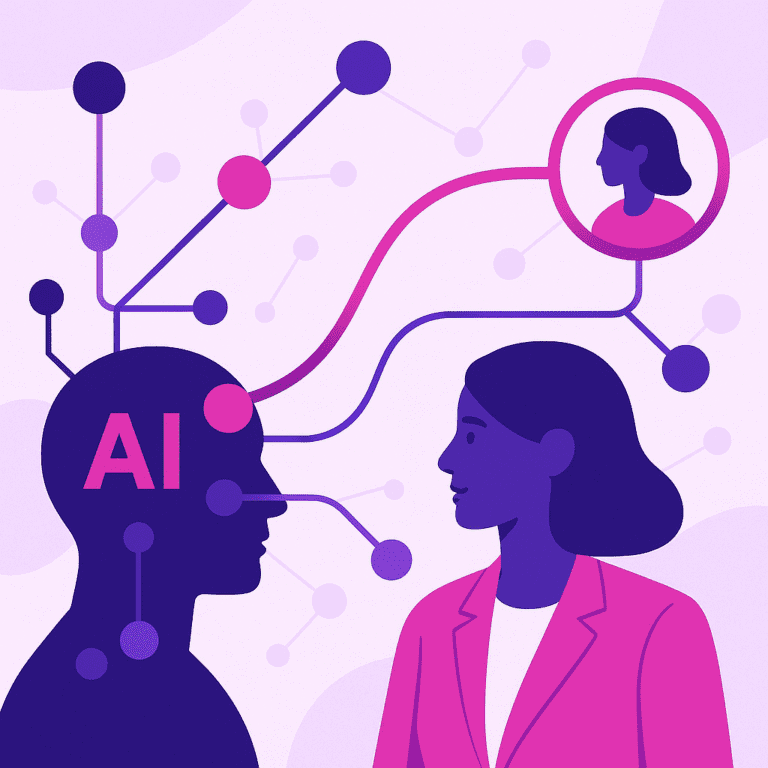
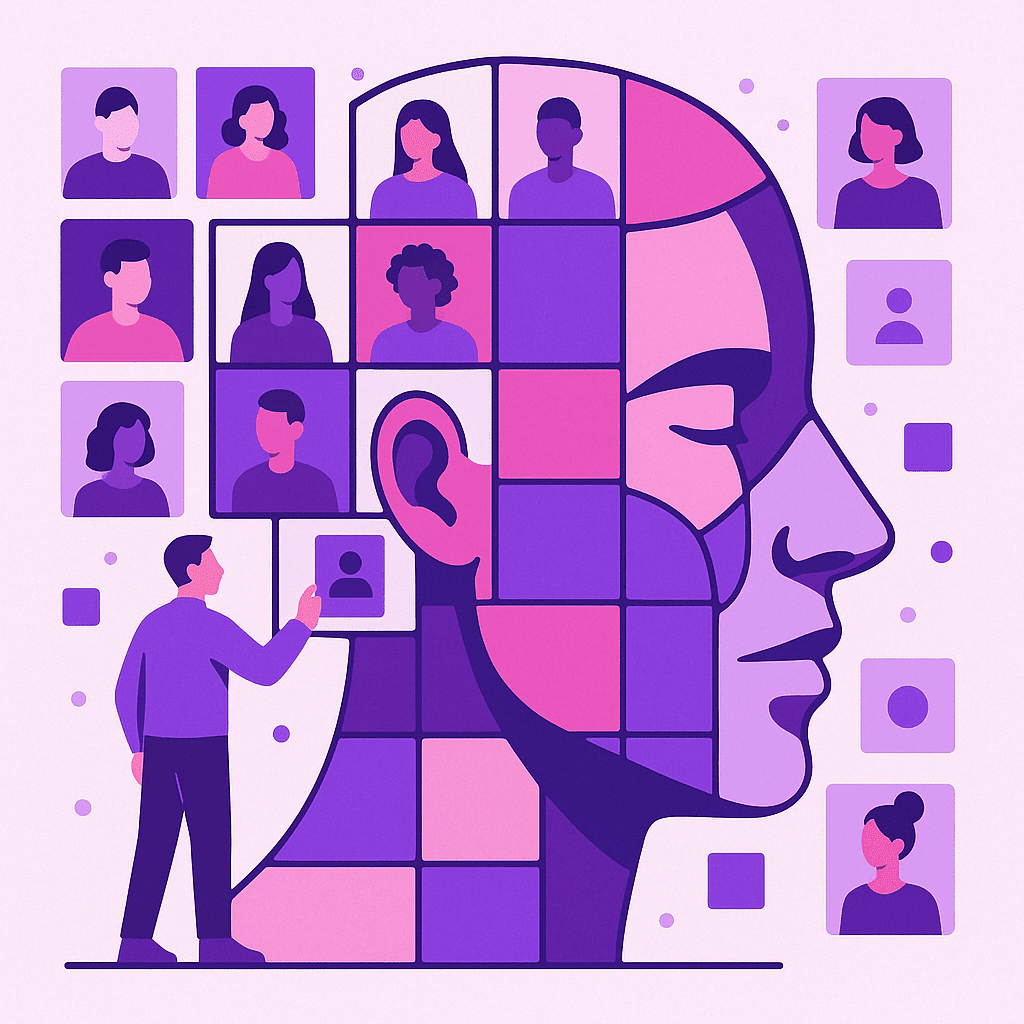
Hyper-personalization marketing means using AI and extensive customer data to send highly relevant, individual marketing messages. This goes beyond traditional segmentation: you tailor every touchpoint to personal characteristics, preferences, and behavior. An SME example: a baker who responds to individual preferences via email, ensuring customers are recommended exactly those products that match their taste and purchasing occasion.
Hyperpersonalization marketing uses AI and data to make marketing messages extremely relevant to individual customers.
Voordelen
-
Higher conversion rates
Targeted, personalized mailings increase the chance of purchase by 5–10% compared to standard campaigns.
-
Cost savings through smart targeting
AI makes it immediately visible which target audiences respond, allowing you to use your advertising budget more effectively.
-
Increased customer loyalty
Individual offers and relevant content lead to higher customer satisfaction and repeat purchases.
-
Fast, real-time personalization
You respond directly to changing behavior and current customer needs, increasing engagement.
Nadelen / Beperkingen
-
Customer privacy concerns
Intensive data collection can arouse suspicion; good communication and transparency are required.
-
Complexity and system integration
Bringing together various data sources requires technical effort and knowledge (connections, APIs).
-
Investing in technology
An initial investment in AI tools and training is required, although this pays for itself within 1 year on average.
Voorbeelden
-
Personalized email campaign for a clothing store
Customers receive a unique offer based on their previous purchases and browsing behavior. Personalization increased the click-through rate by 18%.
-
Product recommendations on an SME webshop
With every visit, the customer receives dynamic suggestions based on their interests, resulting in a 12% higher order value.
-
Dynamic pricing at a hotel
Returning website visitors are automatically shown a personal discount, tailored to their booking behavior.
Stap-voor-stap
-
Determine your objectives and collect customer data
Analyze available customer information (website, CRM, email) and define clear goals for your personalization.
-
Select and connect AI tools
Choose platforms (CRM, email tools, AI analytics) that work well together and integrate with your existing marketing stack.
-
Segment and build customer profiles
Use historical purchases, click behavior, and feedback to build target groups or personas.
-
Start with targeted campaigns
Set up personalized campaigns on a small scale (email, web, chatbot) to monitor effects immediately.
-
Measure – optimize – scale out
Evaluate the results, adjust campaigns, and expand upon proven success. Keep learning and improving.
Tools
-
ActiveCampaign Bekijk →
AI-driven email marketing and marketing automation with extensive personalization options and integrations for SMEs.
-
BlueConic Bekijk →
Real-time customer data platform for centralizing and activating customer data on websites and in campaigns.
-
HubSpot CRM Bekijk →
Accessible CRM system with connections for hyper-personalized email, lead nurturing, and integration with AI platforms.
Use cases
-
Personal discount codes for loyal customers
A baker analyzes purchase history and automatically sends unique discount codes to regular customers on their favorite order dates.
-
Automatic follow-up emails after website visit
A service provider uses triggers to send directly relevant emails based on visited pages, which leads to more quote requests.
-
AI chatbot with personalized product recommendations
A webshop uses a chatbot that suggests products to customers based on previous search and purchase behavior, entirely automatically.
Veelgestelde vragen
Many AI and personalization tools are modular – you pay for what you use and can start with a small pilot. Begin with one channel and scale up later if successful.
Collect only necessary data, inform your customers clearly, and always ensure explicit consent. See also the guidelines of the Dutch Data Protection Authority.
No, many platforms are intuitive and offer clear tutorials. For complex integrations, you can call in external support.
You may only collect data that you need for the chosen personalization, with the customer's consent and in accordance with GDPR rules.
Just get started. Supplement customer profiles with feedback insights, short questionnaires, or analysis of behavioral patterns on your website.